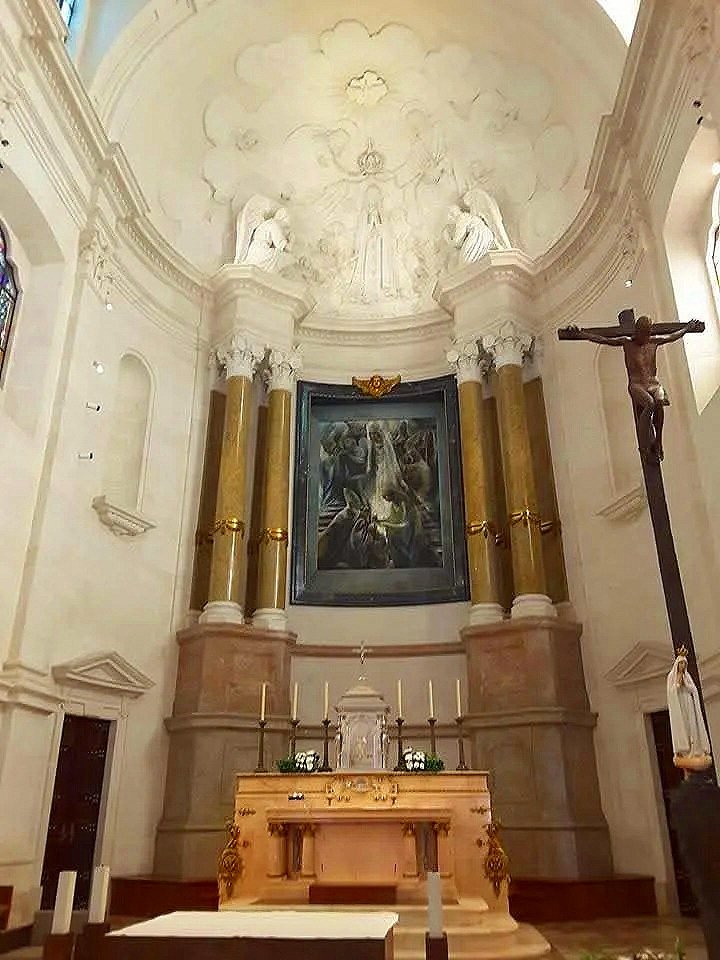
The Shrine of Fatima in Portugal is a global pilgrimage site, a place for prayer, peace, and miracles. In 1917, the Virgin Mary is said to have appeared six times to three shepherd children, Lucia, Francisco, and Jacinto, each time delivering what became known as “secrets” pertaining to World War II and the spread of communism, and a vision related to the attempted assignation of John Paul II, revealed in 2000. On October 13, 1917, thousands witnessed the sun “dance” and emit vibrant colors, a phenomenon interpreted as a divine sign, which according to those of the time, validated the children’s visions. Fatima is a place of exceptional beauty, and is revered around the world as a symbol of hope and peace.
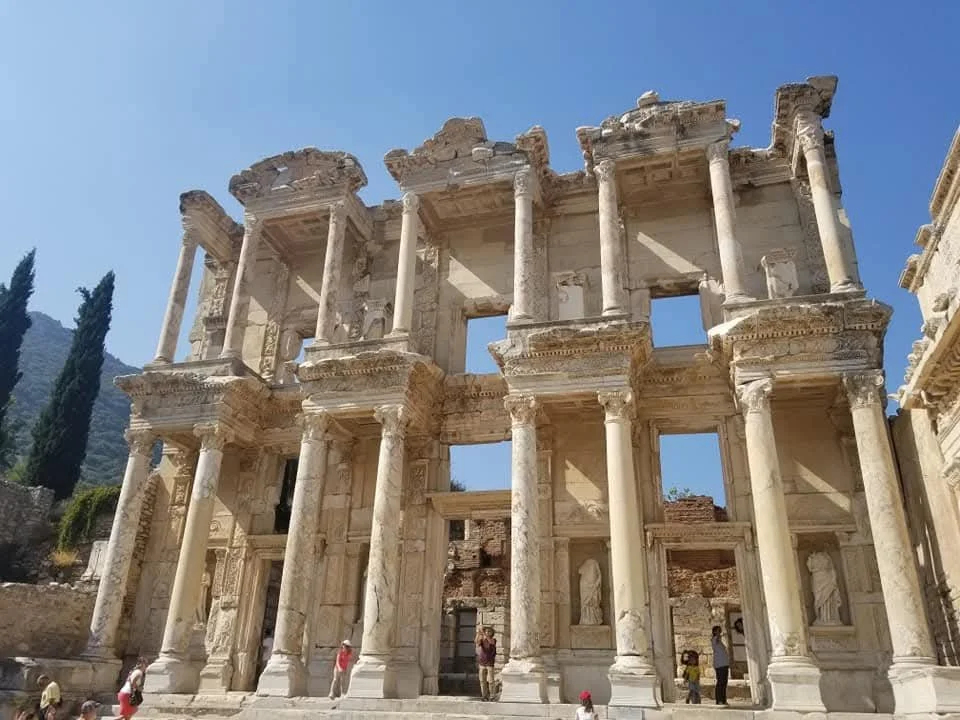
The Library of Celsus, located in Ephesus, Turkey, was one of the largest libraries in antiquity. Founded in 114 CE, it was commissioned to commemorate the Roman consul and governor, Tiberius Julius Celsus Polemaeanus. It was both a mausoleum and library, at one point holding some 12,000 scrolls. All that remains today is the imposing facade located in the well-preserved ruins of the ancient Greek city of Ephesus on the Aegean coast of modern-day Turkey. It was destroyed by an earthquake in the 3rd century AD, but was reconstructed in the 1970s from original fragments surrounding the site.
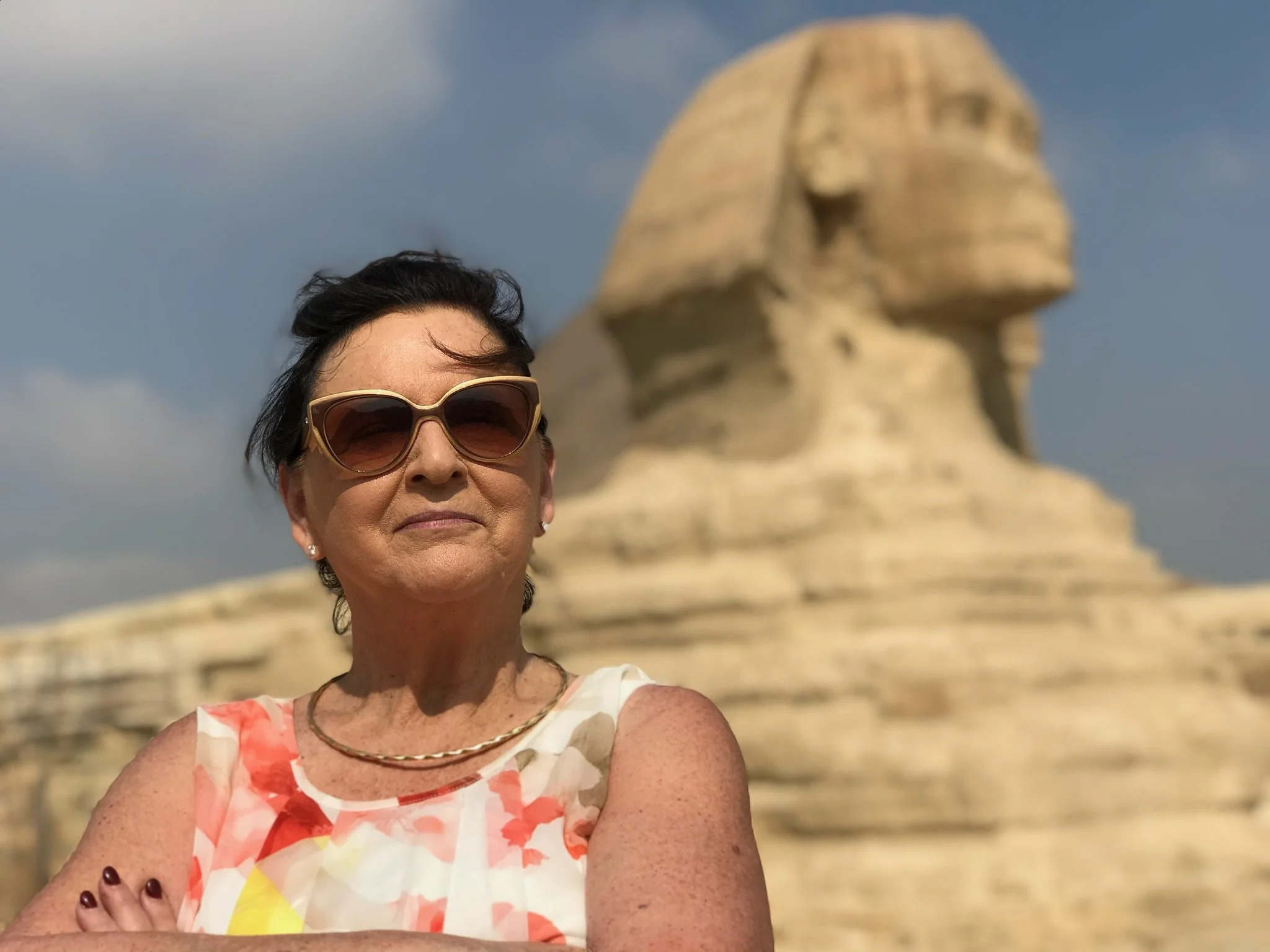
An amazingly hot day visiting the Great Sphinx, located on the Giza Plateau in Egypt. The Sphinx is a mythical creature with the head of a human, body of a lion, and wings of an eagle. Its nose is believed to have vanished due to centuries of weathering, and fragments of the ceremonial beard are housed in the British Museum in London and The Egyptian Museum in Cairo. It was originally painted in vibrant reds, yellows, and blues. History tells us the Great Sphinx was carved out of a single block of limestone during the Old Kingdom reign of Pharaoh Khafre. However, Robert M. Schock, an Associate Professor of Natural Sciences in the College of General Studies, Boston University, a researcher who has studied the Spinx for years, believes it to be much older, perhaps carved at the end of the last ice age, circa 10,000 BCE. Recognizing that the current head is too small for the body, Schrock posits this is not the original head, which likely disappeared due to weathering and erosion, but a copy carved at a much later date. The mystery lives on!
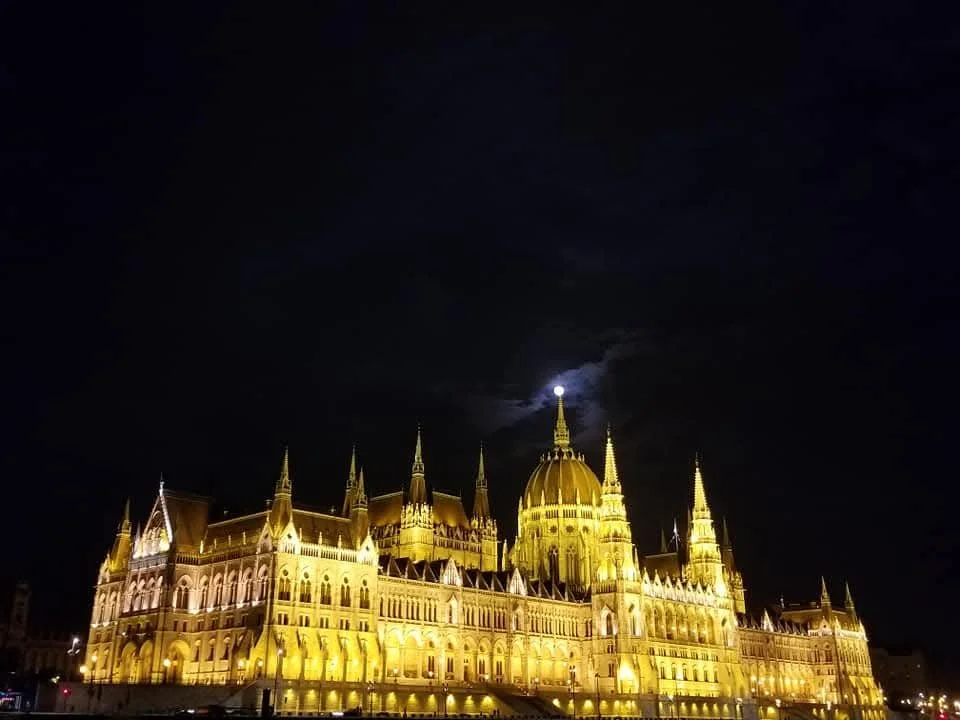
The House of Parliament in Budapest, the capital of Hungary. Of all the places around the world we’ve been privileged to visit, Budapest has been the most surprising. The “City of Spas,” so named due to its 100 thermal springs, is absolutely stunning, rich with exquisite architecture from the Baroque, Neoclassical, and Art Nouveau eras. The River Danube divides the city into Buda and Pest, which is connected by the famous Chain Bridge. I hope to return to this amazing city with its historical sites, delightful inhabitants, and scrumptious Hungarian delicacies.
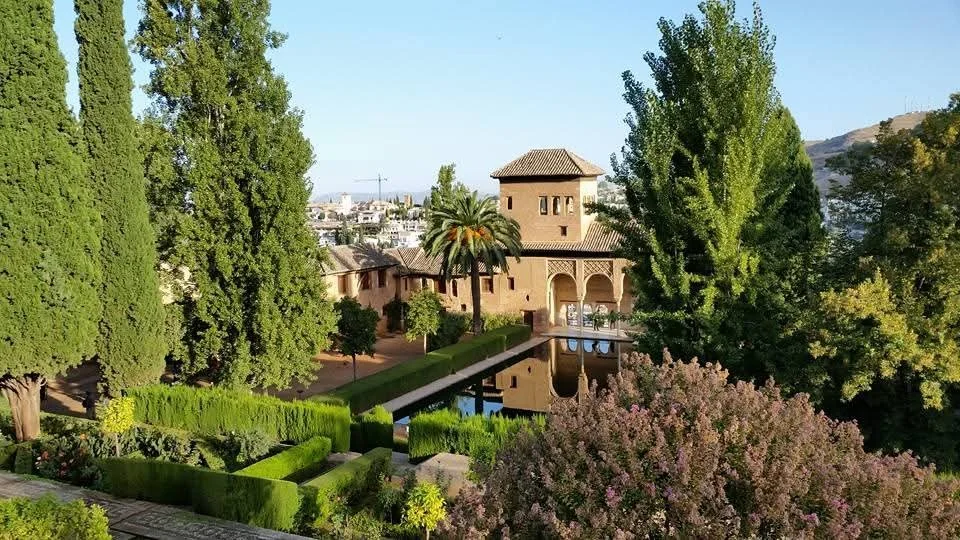
Granada, Spain, is home to one of the most amazing architectural achievements I’ve ever had the privilege to visit: the Alhambra. Begun in the 13th century by the Islamic rulers of Andalusia, this fortress later became the governmental palace for Queen Isabella and King Ferdinand of Spain. This is the Medina, the administrative center of the complex. The gardens here are tended by somewhere around 40 specialized professionals. If you ever get a chance to visit this astonishing place, here’s a bit of advice— go early enough so that you can see the sunrise over the Alcazaba(the military portion of the fortress). You won’t regret it.
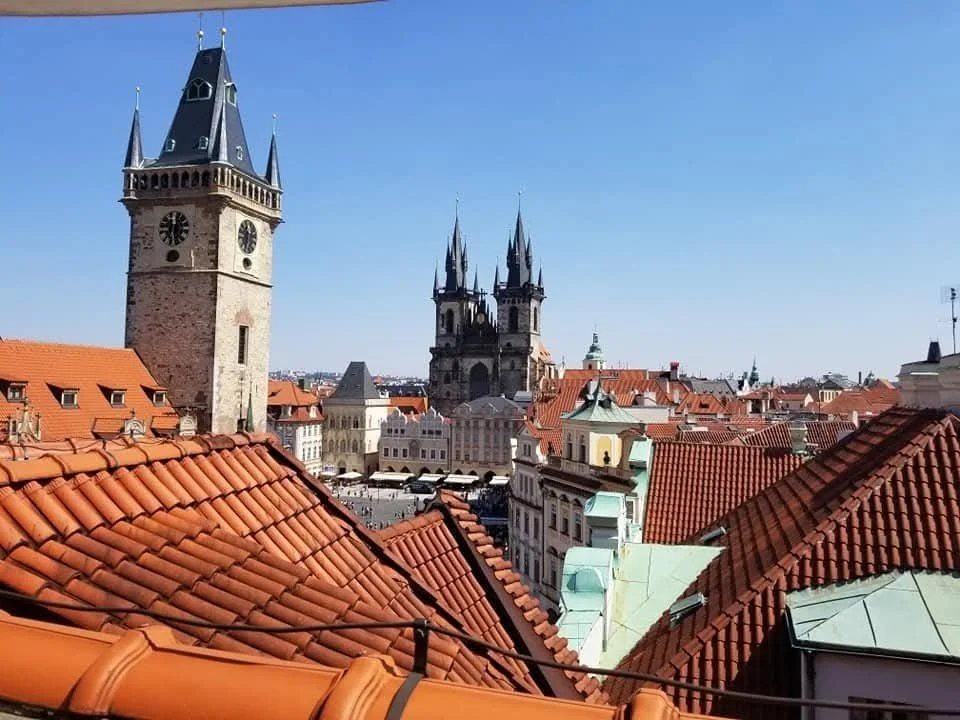
Here is a view of the rooftops of Prague, as seen from an outdoor cafe atop a hotel near the Charles Bridge. Prague survived World War II largely unscathed, and is frequently a shooting location for films needing historic ambiance(Amadeus, Schindler’s List, Les MIserables, among many others). In the foreground of this picture is Prague’s Old Town Hall, which is home to a gorgeous medieval astronomical clock known as the Horologe. The twin spires in the background belong to the Church of Our Lady before Tyn. There has been a church on this site since the 11th century— the current church was constructed over two hundred years, beginning in the 14th century. The great astronomer Tycho Brahe is buried there.
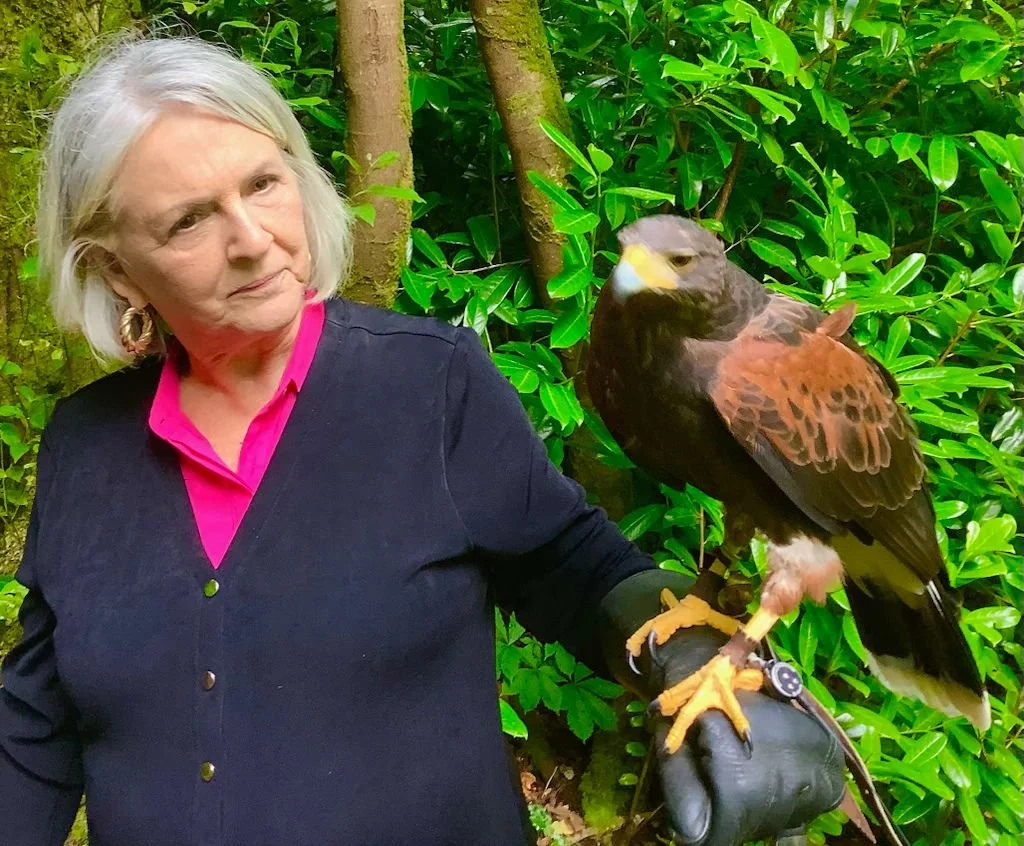
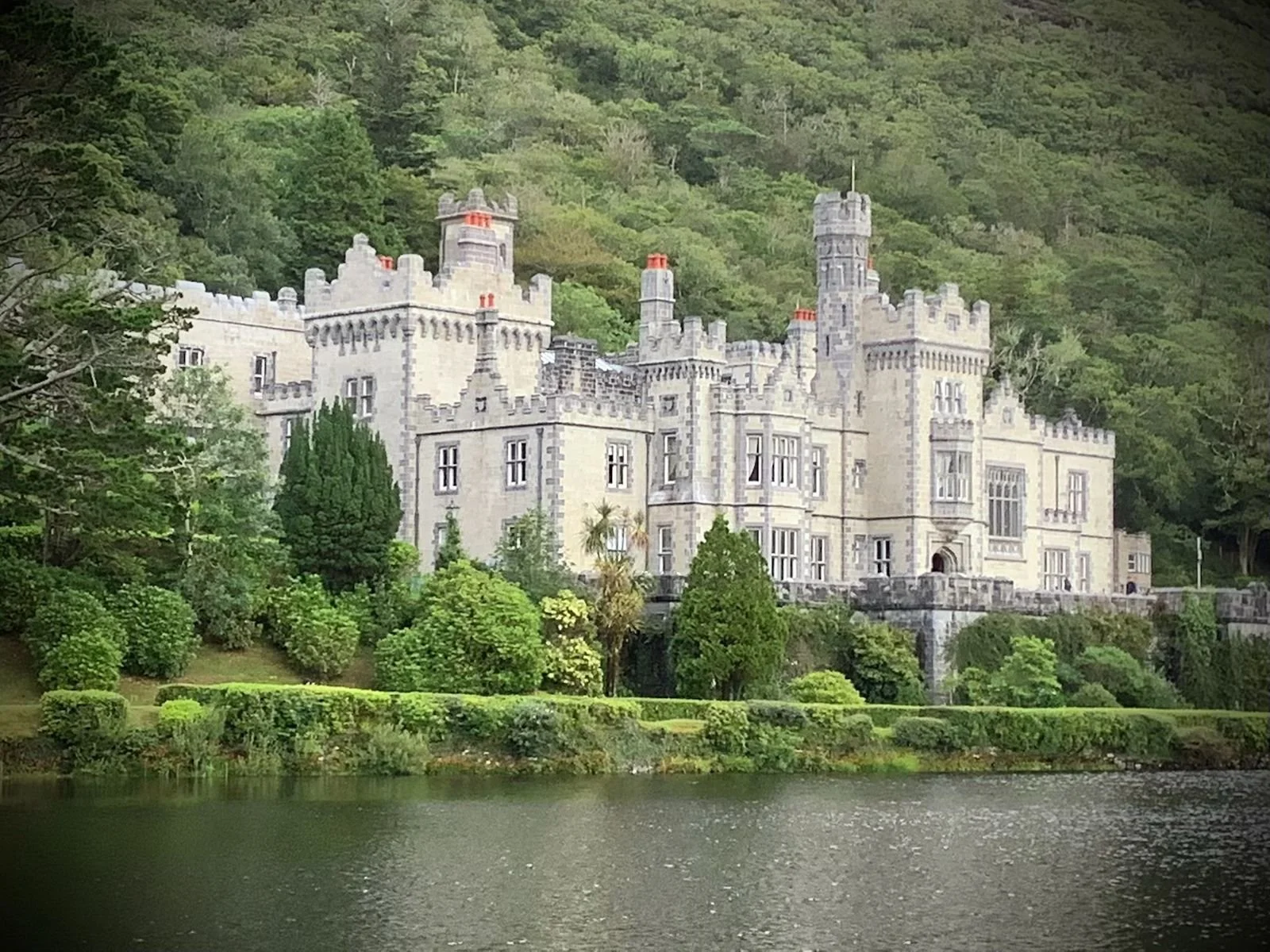
Adventures at Ireland’s School of Falconry, Ashford Castle, Cong, Ireland. After receiving hands-on training from Ashford Castle’s falconer, II was able to handle and fly Inca, the Harris Hawk — an opportunity I’ll not soon forget. The hawks are majestic birds who swoop throughout the magnificent grounds of the castle. The School of Falconry was established in 1999, and is Ireland’s first and oldest falconry school. As for the castle, few descriptors are needed, as the photo speaks for itself. Located on the County Mayo-Galway border, it was built on a monastic site in 1228, its previous owners have included, the Anglo-Norman House of Burke, Baron Oranmore and Browne, and Sir Arthur Guiness, the First Baron Ardilaun. It has served as a hunting lodge, angling retreat, golf course, private home, film set (The Quiet Man, 1951; the French Court in the CW’s medieval drama, Reign), and a 5-Star hotel. NOTE: Our group was the first to visit the castle following COVID, so the tour was granted VERY SPECIAL rates. Otherwise, we would have viewed this magnificent dwelling from the exterior only. A bit pricey for my budget, but a spectacular opportunity I will forever cherish!
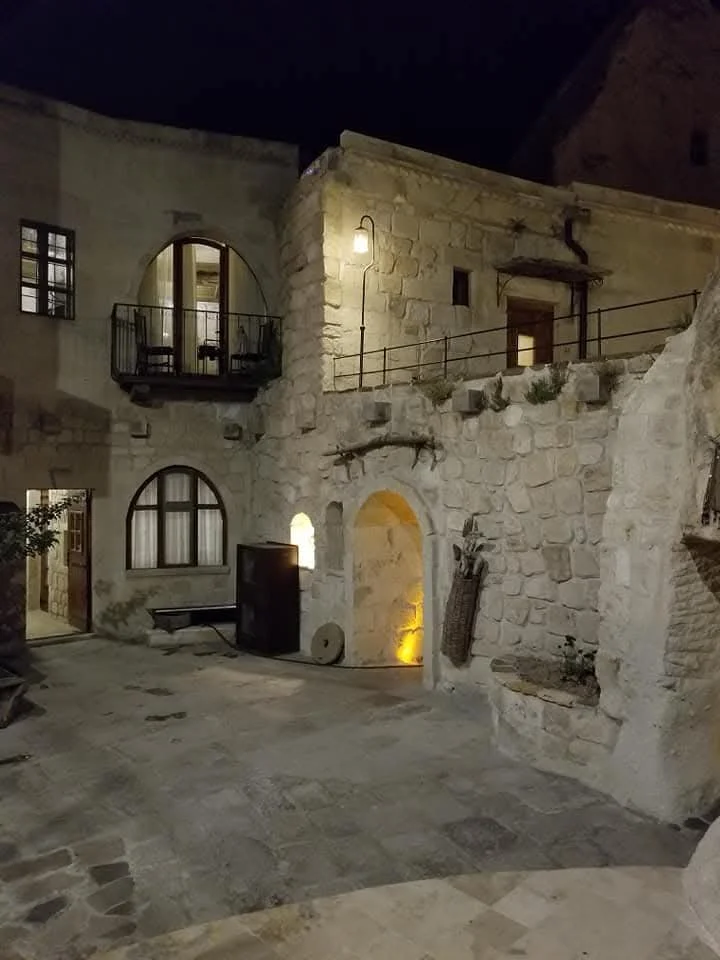
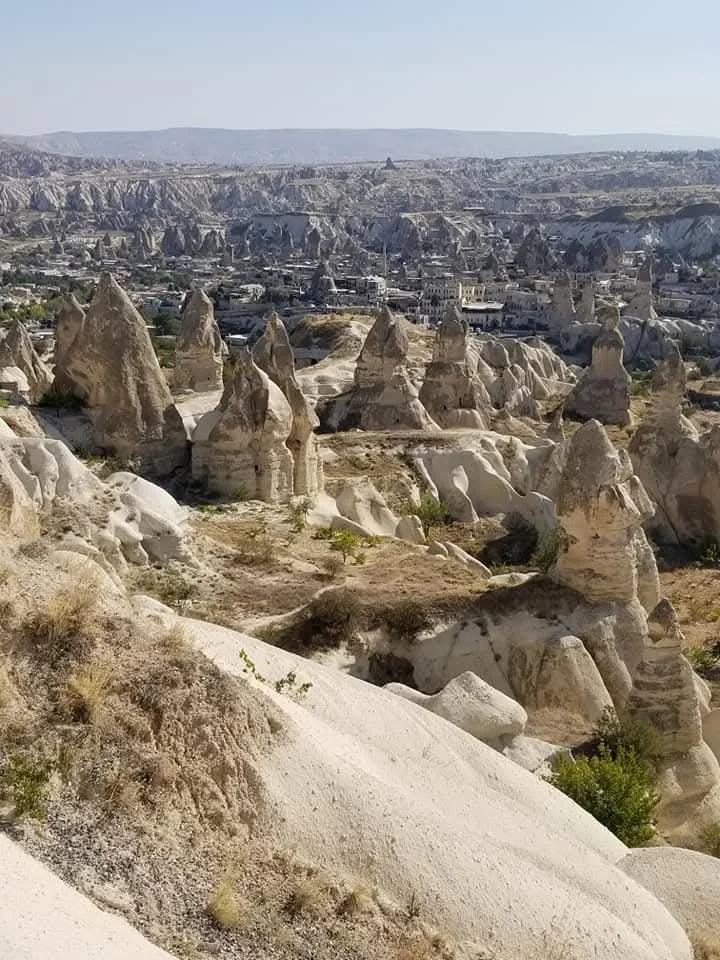
Cappadocia, in central Turkey, is like nowhere else I’ve ever been. I felt at times that I was visiting the surface of another planet. The picture on the top left is a view of a passageway at the Mithra Caves Hotel. We stayed in a small town called Goreme, and the hotels there are literally carved out of the hills and mountains of the region— the rooms are manmade caves. On the bottom right are a few of Cappadocia’s “fairy chimneys.” These unusual formations are caused by the erosion of volcanic rock over millennia. The caves here provided sanctuary for generations of early Christians, and the area is famous for the ancient underground cities of Derinkuyu and Kaymakli, which you can walk through today(though I wouldn't recommend it if you’re at all claustrophobic). It’s also a wonderful place for hot-air ballooning. Book that in advance if you can. It’s very popular there.
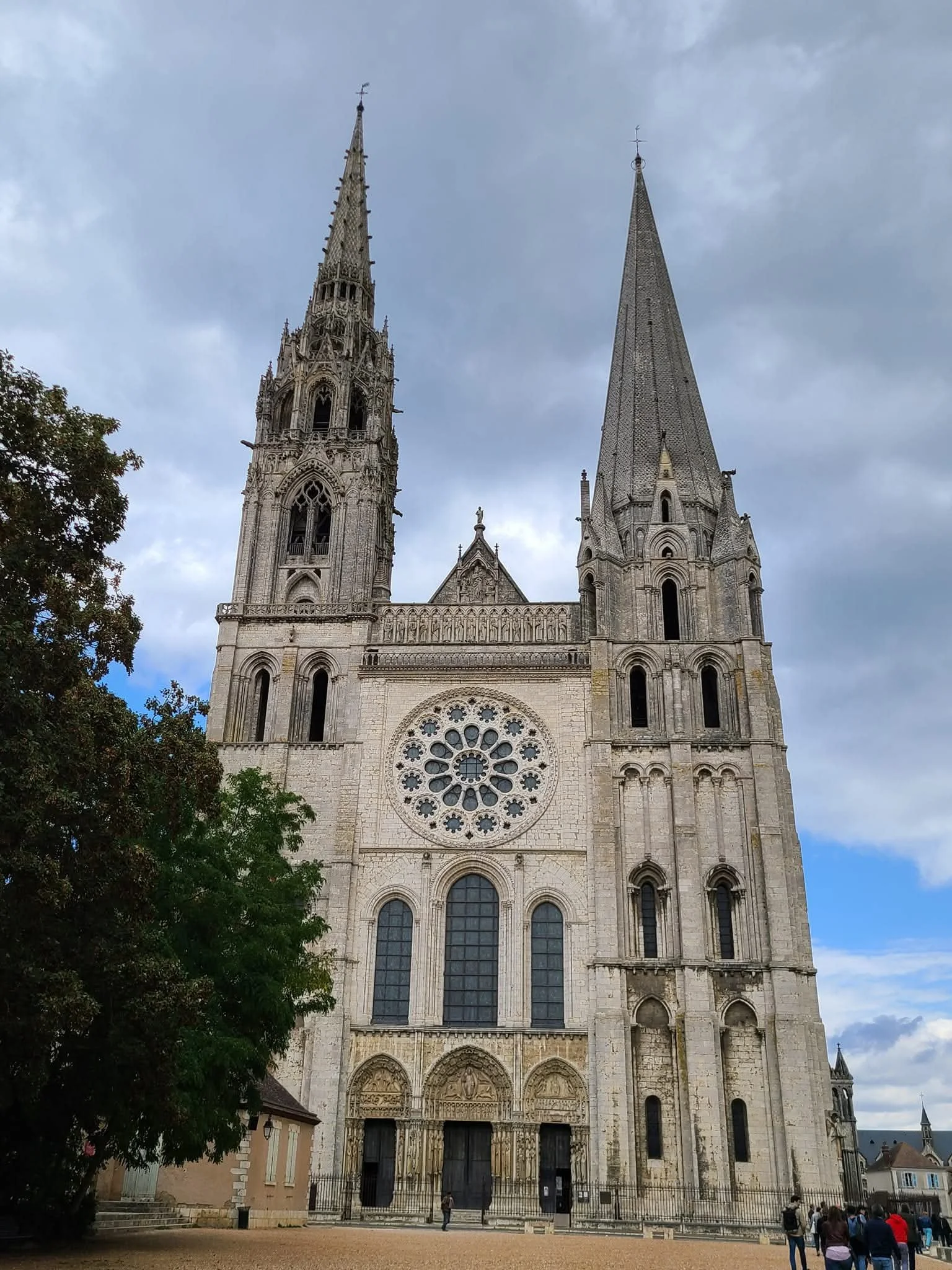
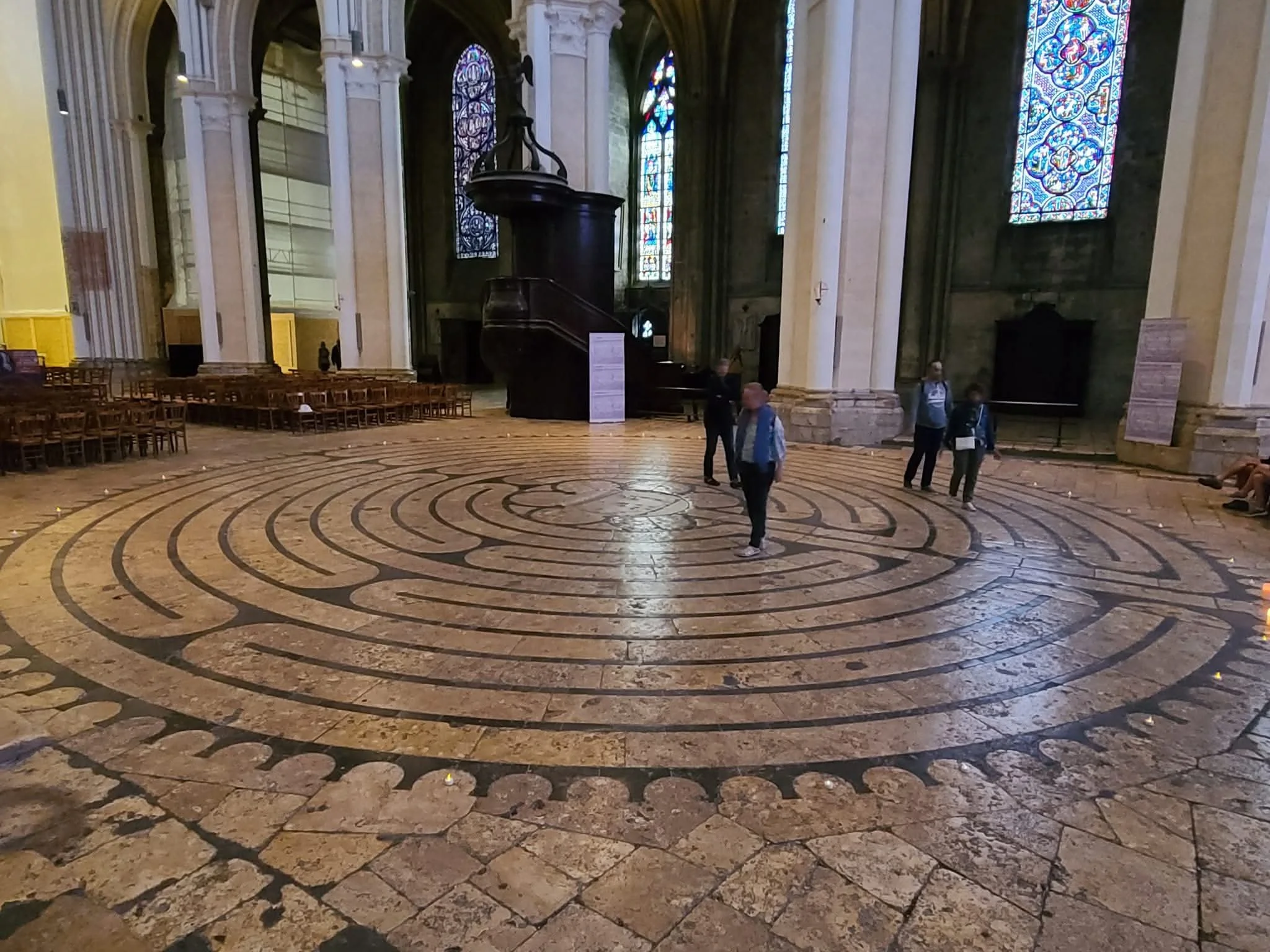
Ever since I first learned about Chartres in France, I wanted to visit. Specifically, I wanted to see Chartres Cathedral. Constructed around the turn of the 13th century, Chartres Cathedral is home to the Sancta Camisa(a garment believed to have been worn by Mary, the mother of Jesus) and the labyrinth that you see in the picture on the bottom right. The labyrinth is original to the building, and was designed to represent the unity of creation and the spiritual path we all walk in our lives. You don’t get lost in this maze. You gain illumination traveling through it.
Mark Twain once said, “Travel is fatal to prejudice, bigotry, and narrow mindedness.” A sojourn to a neighboring state, the opposite coast, or a faraway land is good for the soul. A much dreamt of trip allows you to try new things and meet new people, helping you to combat the monotony of everyday living. It provides an opportunity to experience different cultures, which can improve our tolerance, reduce cultural biases, and increase empathy. Travel can help us to reduce stress levels and improve our overall outlook on life. Immersing ourselves in different cultures increases our mind’s ability to think more deeply and integrate our thoughts. Time away from work can increase our energy levels and boost productivity. A wellness retreat which focuses on exercise, yoga, meditation, and mindfulness can set the stage for improved wellness routines when we return home. Get out that bucket list, for doing something you enjoy simply makes you happy. And, perhaps most importantly, traveling with loved ones provides a once in a lifetime opportunity to create those precious memories.
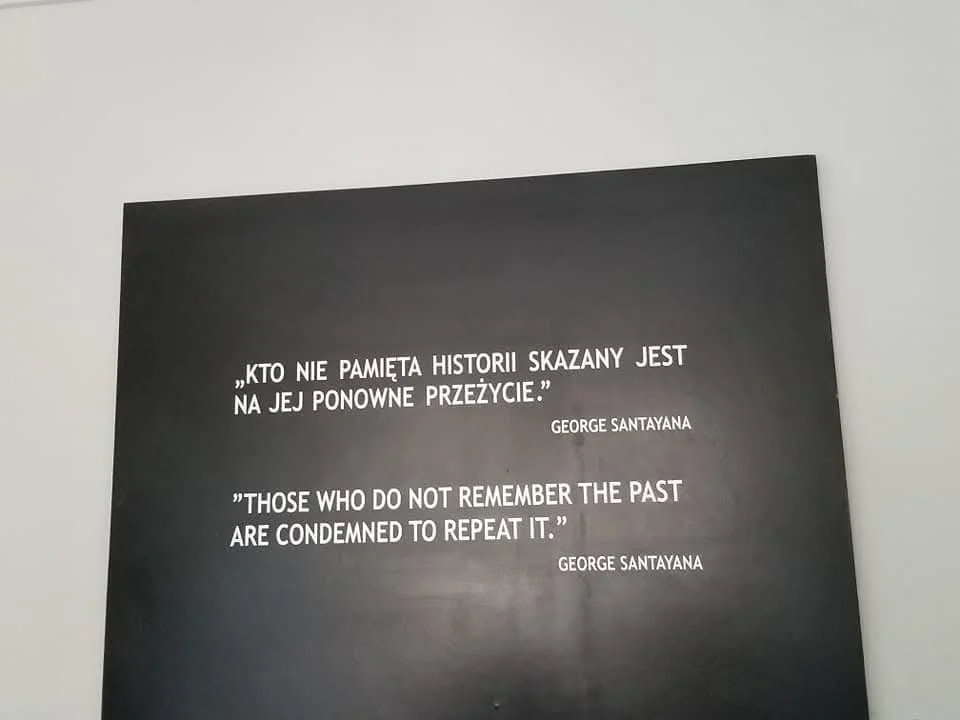
I I do not intend to return to Auschwitz—not ever. The inscription to the right is positioned as you enter the camp and serves as a poignant reminder to never forget the horrors visited upon the Jewish people from 1933-1945. Auschwitz-Birkenau, located in occupied Poland, was the largest of Nazi Germany’s concentration and extermination camps. It was the center of the Nazi “Final Solution,” specifically designed for the murder of Jews, Poles, Roma, and Soviet prisoners of war. 1,100,00 innocent men, women, and children lost their lives here, and it remains a haunting reminder of the cruelty of man.
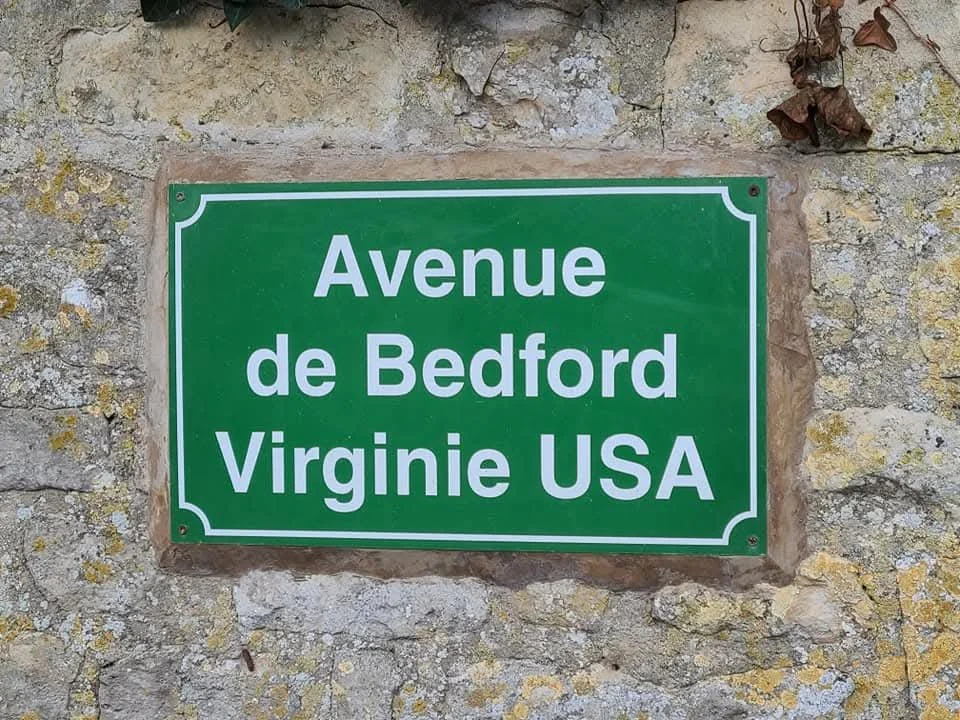
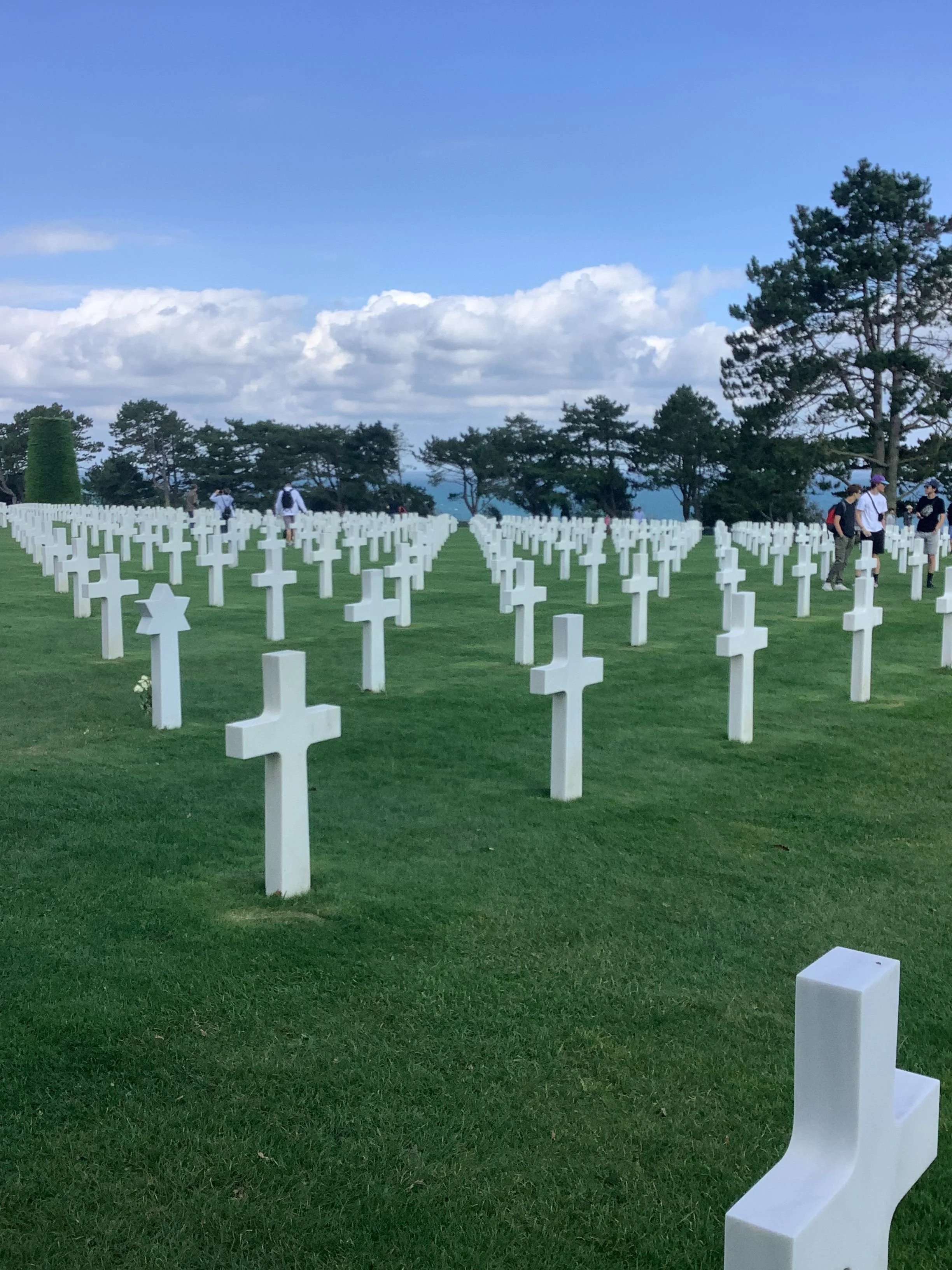
A gorgeous day in the Normandy American Cemetery overlooking Omaha Beach, the burial site of 2501 American soldiers who died during the World War II D-Day Invasion. It is reverential in its grace and beauty. Especially poignant is Avenue de Bedford, erected to honor the “Bedford Boys” from Company A of the 116th Infantry Regiment of the 29th Division. The Virginia National Guard had been deputized by President Franklin D. Roosevelt into the regular Army of February 3, 1941. The 20 soldiers from the town and county of Bedford, Va. suffered the nation’s highest known per capita D-Day loss. Farmers, manual laborers, woolen mill employees, recent high school graduates and a soda jerk from Green’s Drugstore were all deployed in the D-Day invasion, and all 20 lost their lives in the early morning hours of June 6, 1944.